A Path of Simplicity and Awakening
The Forest Monastic Tradition
Returning to the Roots
The Original Spirit of the Dhamma
The Forest Monastic Tradition seeks to emulate the life of the Buddha and his first disciples, who lived simple lives in the wilderness, dedicated to the practice of meditation. This tradition emphasises a return to the original spirit of the Dhamma, where the forest itself becomes a teacher, and solitude becomes a powerful tool for self-discovery.
Core Principles
The Foundations of Forest Life

Simplicity (Nekkhamma)
Living with few possessions in a simple dwelling (kuti), the forest monk cultivates contentment and renunciation, freeing the mind from worldly distractions.

Meditation (Bhāvanā)
The heart of the forest tradition is intensive meditation practice — both sitting and walking — cultivating stillness, concentration, and penetrating insight into the nature of reality.

Wisdom (Paññā)
Through direct experience and study of the Pali Canon, the forest monk develops the profound wisdom that leads to the cessation of suffering and the realisation of Nibbāna.
A Life in Nature
The Forest as Teacher
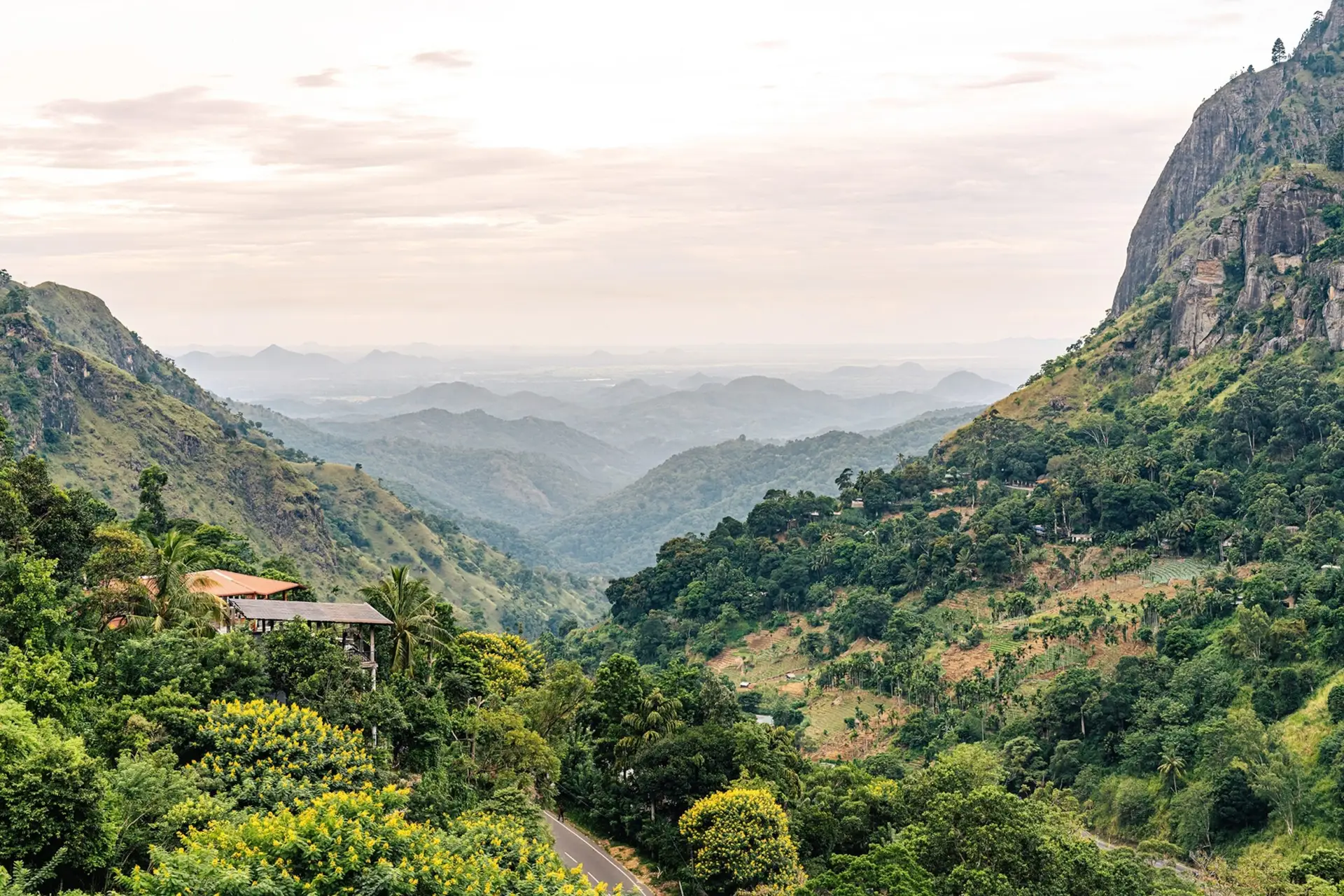
The natural environment plays a central role in the forest monastic life. Surrounded by ancient trees, the sounds of birdsong, and the rhythms of nature, the monk finds an ideal setting for deep contemplation and the development of inner peace.
Living close to nature fosters a natural sense of simplicity, humility, and interconnection. The impermanence of the seasons, the quiet of the forest at dawn, and the vastness of the sky all serve as reminders of the Dhamma — teaching without words.
The Buddha himself attained enlightenment beneath a tree, and throughout his life he encouraged his monks to seek out forests, the roots of trees, and empty places as ideal locations for practice.
Piṇḍapāta
The Alms Round
Each morning, the monks walk barefoot through the surrounding villages to receive their daily meal from the local community. This practice, known as piṇḍapāta, is far more than a means of sustenance — it is a profound act of interdependence between the monastic Sangha and the lay community.
For the monks, the alms round cultivates humility, gratitude, and mindfulness. For the lay community, it provides a daily opportunity to practise generosity (dāna) — the foundational virtue of the Buddhist path.
Experience the Peace
Visit the Forest Monastery
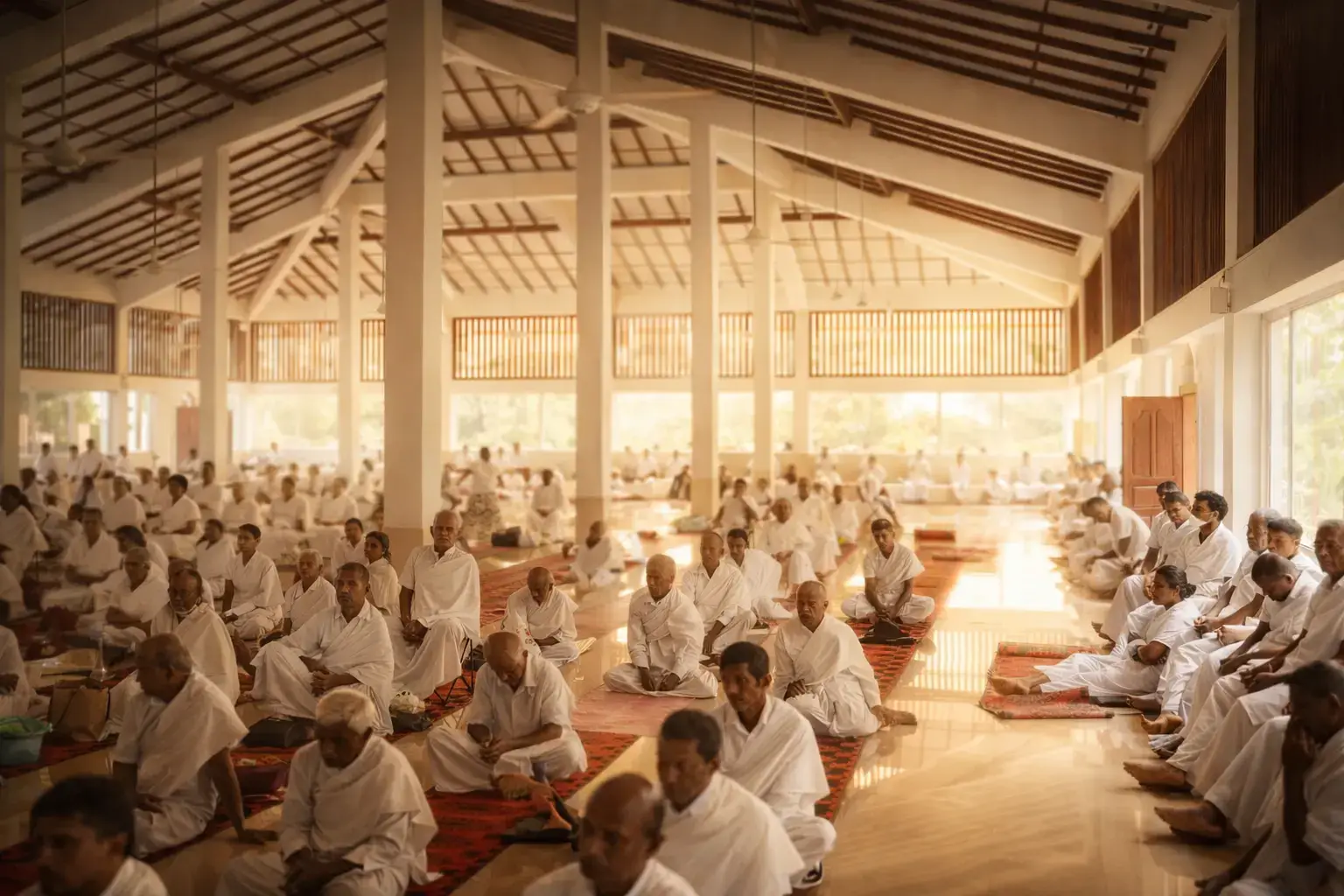
We welcome all who wish to experience the tranquility and simplicity of the forest monastic life. Come and immerse yourself in this sacred tradition.